
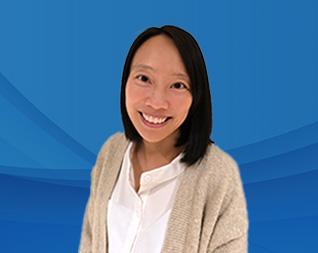
I have been working as a community interpreter for about ten years. It all started when I was looking for more flexible working arrangements to accommodate for my family. I decided to retrain as an interpreter and it was a decision that I have not looked back.
I love being an interpreter because I love listening to stories. I believe active listening is one of the most important skills as an interpreter.
When I am engaged in the interaction between the non English speaker and the English speaking professional, I try my best to understand the purpose and the desired outcome of this conversation. It helps me navigate a conflicting situation or play a part in achieving a common goal.
One time, an elderly lady called My Aged Care to access some social support services. She spoke some basic English so initially she called up herself. As the conversation progressed, there was some confusion and they called in an interpreter. When I dialled in, I began interpreting as per normal but I quickly sensed the tension and frustration in both parties. So I paused the conversation and clarified with the elderly lady that what she wanted was to join a Chinese speaking social group (social support group, SSG), even though she kept asking the My Aged Care representative for ‘SSI’ (social support individual) in English. Once everyone was clear, we were able to resolve the problem quickly and amicably. In that situation, I felt that just hearing what the old lady was saying (SSI in English) wasn’t enough. I listened to what she really needed and conveyed the meaning through. In the end, the lady was so thankful because she was able to attend a social group and make friends who could speak the same language. To know that I helped her access help that she wouldn’t be able to otherwise really made my day.
They say ‘a problem shared is a problem halved’. For non English speakers, they need to be able to overcome the language barrier before sharing their situational problem. Adding a language barrier to their circumstance makes a person in need with limited English doubly disadvantaged. I am privileged to be able to help vulnerable people in our community and professionals who simply just want to do their jobs!