
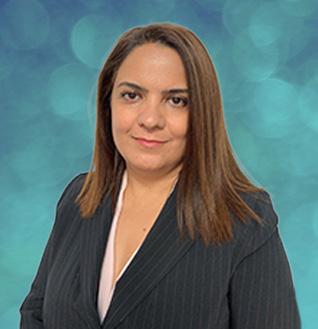
For me, being a translator and interpreter has developed into a role that extends well beyond professional responsibility or income. It has become a meaningful way of giving back to my community and being present where support is genuinely needed.
Language can easily become an invisible barrier that limits people’s access to services, rights, and opportunities. I have seen firsthand how challenging this can be for Persian speakers who are trying to navigate unfamiliar systems, often under stress or pressure. Knowing that my work can help reduce confusion and ease this burden, even in small ways, is a strong source of motivation for me.
I take the responsibility that comes with this role very seriously. For this reason, I have always made a conscious effort to ensure that my work aligns with the AUSIT Code of Ethics and professional conduct. Accuracy, impartiality, confidentiality, and respect are not just formal requirements in my view; they are guidelines I actively apply in every assignment.
Interpreting depends heavily on trust from both the speaker and the listener, and I am very aware that this trust must be carefully earned and protected. Maintaining ethical standards and clear professional boundaries is not only about performing the task correctly but also about respecting the individuals who depend on my voice to be understood.
One aspect of translation and interpreting that I truly enjoy is the variety it brings. Each assignment is different, and each setting comes with its own context, challenges, and expectations. This variety keeps the work engaging and prevents it from becoming repetitive or mechanical. Even after years of experience, there is always something new to learn, whether it is a specific term, a cultural nuance, or a new way a person chooses to express their emotions and concerns.
At the same time, this work can be emotionally demanding. I often encounter Persian speakers who feel frustrated, anxious, or vulnerable because they are unable to fully express themselves in high-stakes situations such as healthcare, legal, or community settings. Seeing this can be difficult, but it also reinforces the importance of my role. In those moments, I am reminded that effective interpreting is not only about language accuracy but also about empathy, patience, and presence.
Despite the challenges, I find great fulfillment in knowing that I am helping people communicate with clarity and dignity. Even when I cannot change outcomes, I can help ensure that voices are heard. This sense of purpose is what continues to drive me both professionally and personally.