
On this page
Language services in the health sector


Who's who?
Community Language Aides
You might also hear bilingual staff, cultural support workers or bilingual facilitators.
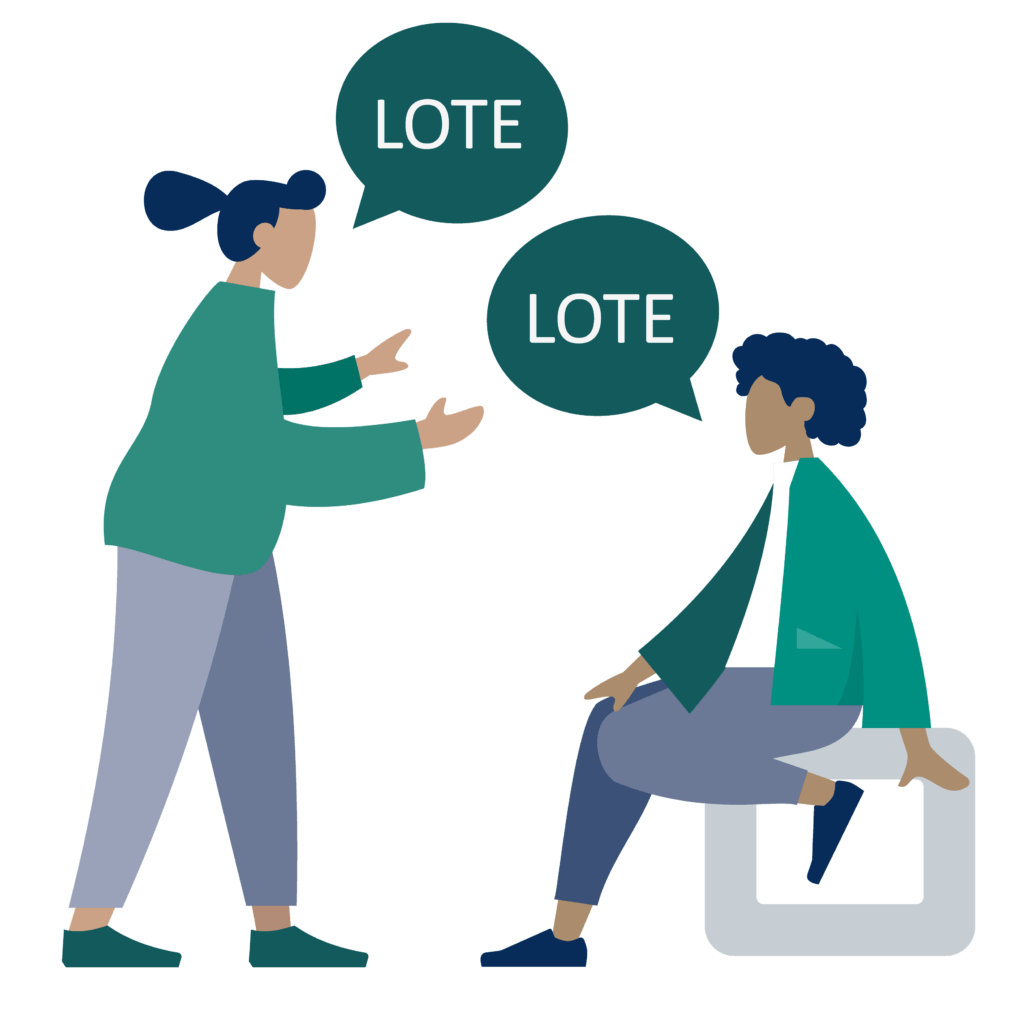
Two languages:
English and LOTE
Two-way conversation – client and bilingual staff.
Subject matter is simple & known to staff. Low risk and non-critical.
Can assist with:
- Low-risk and non-critical communication.
- Customer service within their organisation, such as making appointments, obtaining personal details or explaining processes.
- Supporting comprehension of letters or updates.
- Access to services or groups.
- Delivering prevention and health promotion in language.
- Helping patients who speak their language feel more comfortable within the healthcare system.
Interpreters
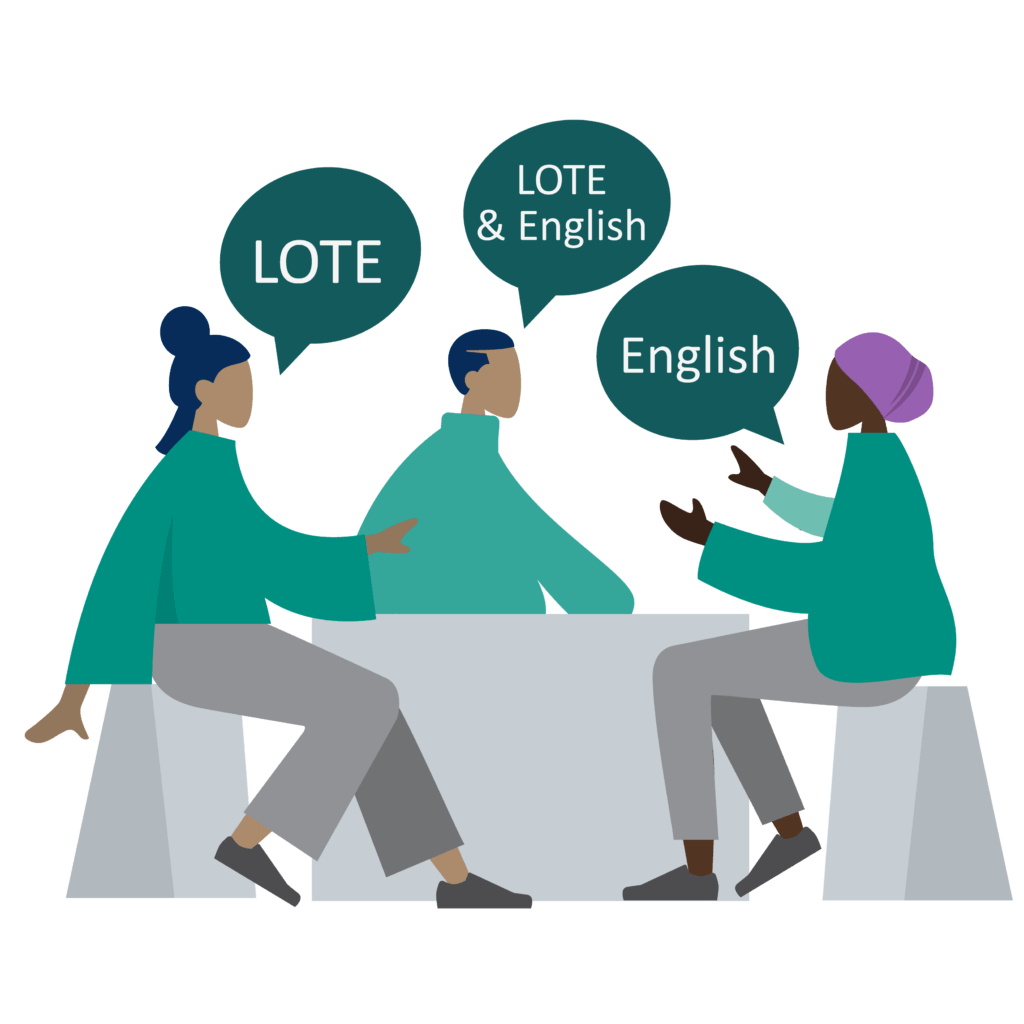
One language only:
Language other than English (LOTE)
Conduit between two people.
Complex subjects or documents.
May involve legally binding or higher risk situations.
Must be engaged:
- For high risk, critical, complex or sensitive communication.
- When seeking informed consent, including for a medical procedure.
- When language used exceeds the ability of the available community language aide.
- Medical consultations or emergency situations.
- Procedures & surgery.
- Mental health & counselling.
- End-of-life care and palliative care.
NAATI credentials in the health sector
Community Language Aides
NAATI’s Community Language Aide test assesses a candidate’s ability to communicate in a simple and direct conversation about familiar and routine matters.
The whole test is conducted in the LOTE, using pre-recorded materials and is conducted online.
Languages available: 59 to date
Interested?
Visit Community Language Aides or contact our friendly customer service team at CLAinfo@naati.com.au for more information on the CLA test.
Interpreters
Professional interpreters (and translators) in Australia get certified by NAATI, the national certifying and standards body.
There are different certifications available, depending on the interpreter’s skill level and experience. Note that not all languages spoken in Australia are available for certification testing.
You should engage an interpreter with the highest-level credential available and might need to engage someone with a specific skillset or specialisation, depending on the type of appointment. Your health interpreting service or TIS National should be able to find you an interpreter to work with who has the right language and skillset. Explore the available NAATI interpreter credentials below and scan the QR code for more information on each NAATI test.
Languages available: All non-tested languages
Recognised Practicing credentials are offered where certification testing is not available in low-demand languages and languages of new and emerging communities.
RPIs have demonstrated they have completed formal training and have experience working as an interpreter. They meet the same prerequisite requirements as Certified Provisional Interpreters.
In the absence of an available certified interpreter for a language, RPIs may be asked to complete the same work as someone who holds a certification.
For more information, visit Recognised Practising Interpreter
Languages available: 65 to date
CPIs are usually engaged in non-specialised community interpreting jobs. This may be the highest-level credential available in some languages.
Tasks assessed by NAATI:
- Interpreting face-to-face (or video) and remote (telephone) dialogues between an English and other language speaker, facilitated by live roleplayers.
For more information, visit Certified Provisional Interpreter
Languages available: 22 to date
Certified Interpreters can work with complex but nonspecialised content in most situations. The CI test is a higher-level generalist interpreting test.
Tasks assessed by NAATI:
- Interpreting dialogues between two people
- Sight translation of documents from one language (written) to another (verbal).
- Interpreting monologues (consecutive and simultaneous interpreting)
For more information, visit Certified Interpreter
Languages available: 6 to date
CSHIs are experienced and accomplished interpreters who are experts in interpreting in the health domain. They have completed training and undertake continuous professional development in specialist health
interpreting.
They are competent to interpret complex, highly specialised, expert-to-expert communication in healthcare settings.
Tasks assessed by NAATI:
- Health knowledge test
- Interpreting monologues (consecutive and simultaneous interpreting)
- Interpreting a monolingual exchange (simultaneous interpreting of multiple English speakers in a complex setting)
For more information, visit Certified Specialist Health Interpreter